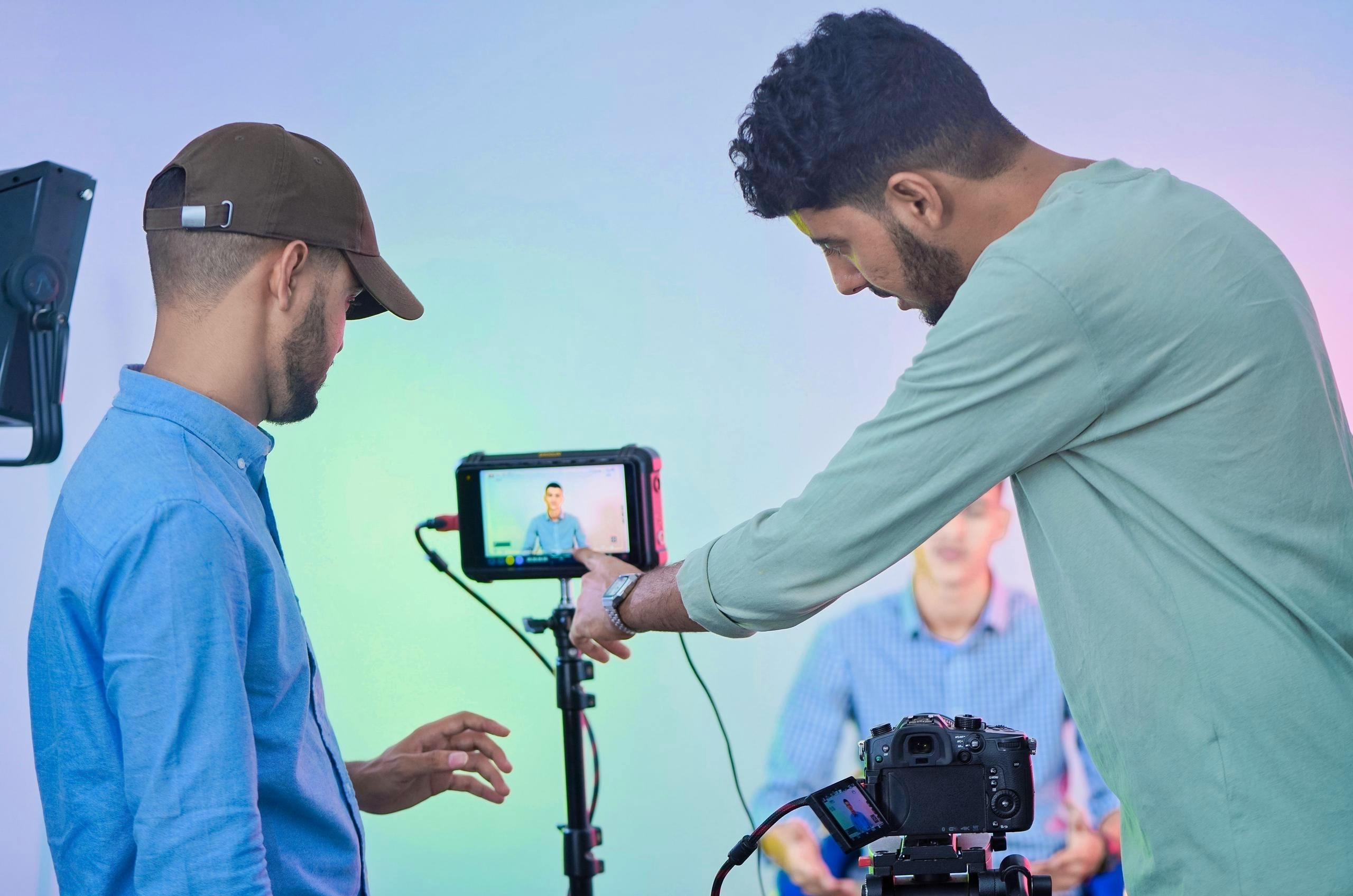
In the rapidly evolving landscape of film, television, and interactive media, the term “virtual studio” has moved from niche jargon to a mainstream production tool. By merging real-time rendering, LED-backed stages, and sophisticated camera tracking, virtual studios enable creators to capture immersive environments without the logistical constraints of traditional sets. This shift not only reduces travel and construction costs but also expands creative possibilities, allowing directors to visualize and adjust scenes on the fly. Understanding what a virtual studio entails and how to secure one is essential for any production professional looking to stay competitive in today’s digital-first world.
Defining a Virtual Studio
A virtual studio combines physical filming spaces with computer-generated imagery (CGI) that is projected onto large LED walls or displayed through augmented reality (AR) overlays. The core components include:
- LED Volume: A curved array of high-resolution LED panels that act as a dynamic backdrop, providing realistic lighting and reflections.
- Real-Time Engine: Software such as Unreal Engine or Unity renders the virtual environment instantly, synchronizing with camera movements.
- Camera Tracking System: Sensors track the camera’s position and orientation, ensuring the virtual background moves correctly with the live footage.
- In-Camera VFX: Visual effects are captured directly in-camera, reducing post-production workload.
These elements work together to create a seamless blend of physical performance and digital scenery, often referred to as a virtual production studio. The result is a flexible, cost-effective environment that can replicate anything from a futuristic cityscape to a historic battlefield.
Key Benefits of Using a Virtual Studio
Creative Flexibility
- Instantly modify environments, weather, or time of day without rebuilding sets.
- Allow directors and cinematographers to preview final looks in real time.
Cost Efficiency
- Minimize location scouting, travel, and set construction expenses.
- Reduce the number of shooting days by consolidating multiple scenes in a single space.
Technical Advantages
- Accurate on-set lighting that matches the virtual background, improving realism.
- Real-time compositing eliminates the need for extensive green-screen keying.
How to Choose the Right Virtual Studio
Selecting a suitable virtual studio involves evaluating both technical capabilities and logistical considerations. Below are the primary criteria to assess:
- Stage Size & LED Volume Dimensions: Ensure the space can accommodate your production’s scale, whether it’s a single-person interview or a large-scale action sequence.
- Resolution & Brightness: Look for high-density LED panels (e.g., 4K or higher) that deliver crisp images and sufficient luminance for varied lighting conditions.
- Real-Time Engine Compatibility: Confirm that the studio supports the engine you plan to use, such as Unreal Engine, for seamless workflow integration.
- Camera Tracking Precision: Sub-millimeter accuracy is essential for believable parallax and depth effects.
- Support Services: Consider whether the facility offers on-site technical staff, pre-visualization assistance, and post-production pipelines.
When these factors align, the studio becomes a strategic partner rather than just a rental space. For projects that demand the highest fidelity, a dedicated LED volume studio can provide the necessary infrastructure.
Steps to Hire a Virtual Studio
- Define Project Requirements: Outline the scope, visual style, and technical needs (e.g., frame rate, resolution, required tracking).
- Research Potential Studios: Look for facilities that specialize in virtual production and have a portfolio matching your genre.
- Request a Technical Package: Ask for detailed specifications, including LED panel layout, engine support, and available crew.
- Schedule a Virtual Tour: Many studios offer remote walkthroughs, allowing you to assess the space without traveling.
- Negotiate Terms: Clarify rates, time blocks, equipment rentals, and any additional services such as VFX supervision.
- Plan Pre-Production Workflow: Coordinate asset creation, scene layout, and camera moves with the studio’s technical team.
- Run a Test Shoot: Conduct a short test to verify tracking accuracy, lighting integration, and rendering performance.
- Finalize the Shoot: Execute the production schedule, leveraging the studio’s real-time capabilities to capture final footage.
Following this structured approach ensures that the virtual studio hire process is efficient, transparent, and aligned with creative goals.
Best Practices for Maximizing Virtual Studio Output
- Collaborate Early with VFX Teams: Integrate visual effects planning from the script stage to avoid last-minute adjustments.
- Maintain Consistent Lighting References: Use HDRI captures of the LED walls to match on-set lighting with post-production assets.
- Optimize Asset Complexity: Keep 3D models lightweight to ensure smooth real-time rendering without sacrificing visual quality.
- Document Camera Moves: Record tracking data for each shot; this data can be reused for additional VFX passes.
- Leverage Real-Time Feedback: Review footage on set to make immediate creative decisions, reducing the need for extensive revisions later.
Future Trends in Virtual Production
As hardware costs continue to decline and software becomes more accessible, virtual studios are expected to proliferate across independent film, advertising, and even live events. Emerging trends include:
- AI-Driven Asset Generation: Automated creation of realistic environments based on textual prompts.
- Mixed-Reality Collaboration: Remote teams working together in a shared virtual space, manipulating assets in real time.
- Higher-Resolution LED Panels: 8K and beyond, delivering unprecedented detail for large-format cinema.
Staying informed about these developments will help production professionals make strategic investments and keep their storytelling techniques at the cutting edge.
Conclusion
Virtual studios have transformed the way visual content is conceived and executed, offering unprecedented creative control, cost savings, and technical precision. By understanding the core components, evaluating studio capabilities, and following a disciplined hiring process, filmmakers and content creators can harness this technology to deliver compelling, immersive experiences. As the industry continues to evolve, embracing virtual production will become less of a competitive advantage and more of a standard practice for high-quality storytelling.