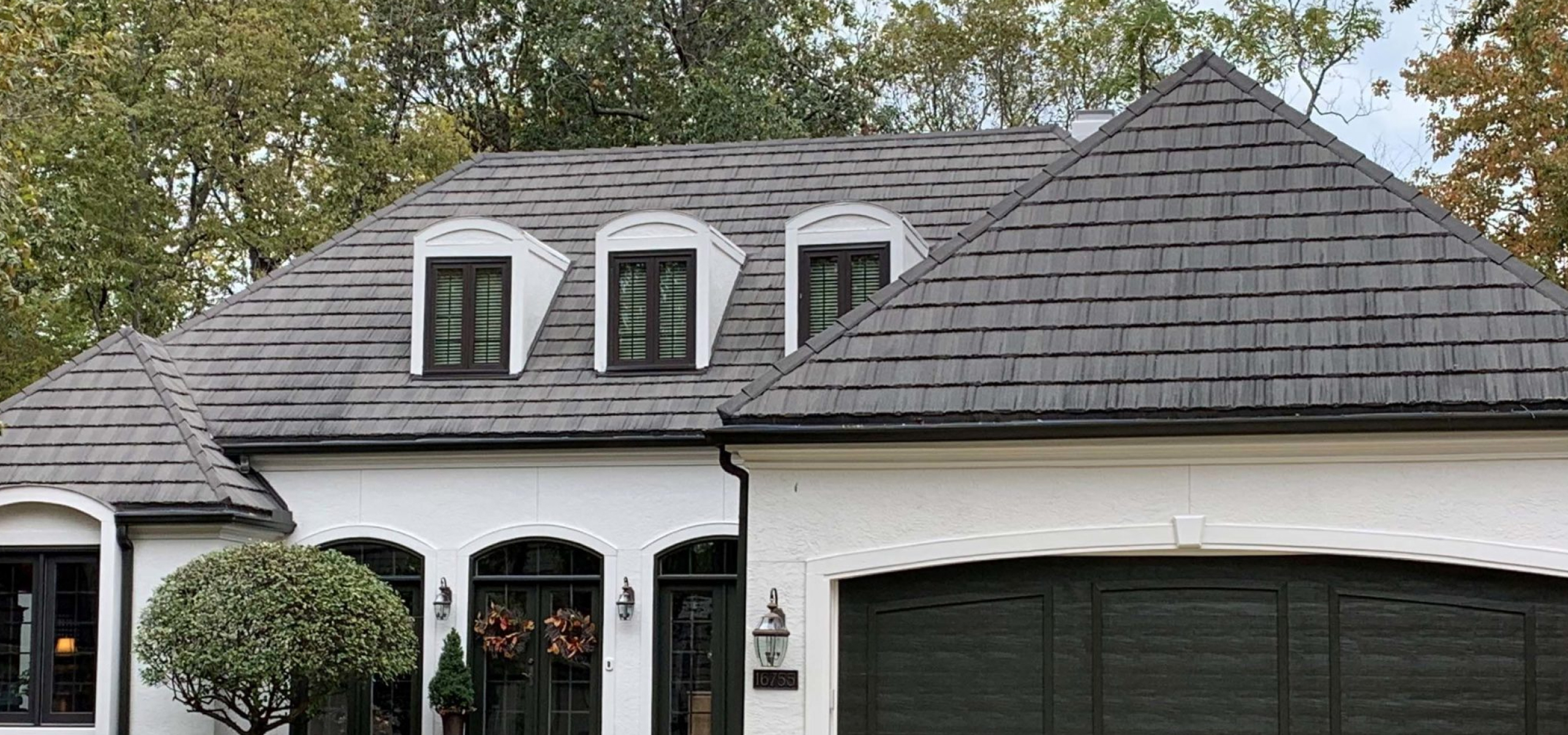
The decision to install a new metal roof or replace an existing one involves several considerations, especially in terms of cost. Metal roofing, known for its durability and aesthetic appeal, can be a significant investment. Understanding the cost dynamics between initial installation and replacement can aid in making informed decisions that align with budgetary constraints and long-term property goals. This article delves into various factors influencing metal roofing costs, highlighting key differences between installation and replacement projects.
Key Factors Influencing Metal Roofing Costs
Whether opting for a new installation or replacing an existing roof, several common factors influence the overall cost:
- Material Type: Metal roofs come in various materials, including steel, aluminum, copper, and zinc. Each type has its cost implications due to differences in durability, weight, and aesthetic appeal.
- Roof Design Complexity: The design and complexity of the roof, including pitch, number of valleys, and dormers, can significantly affect labor costs.
- Labor Costs: Labor rates can vary based on location and the expertise required for specific metal roofing types.
- Additional Features: Elements like insulation, underlayment, and special coatings can add to the overall cost but may enhance the roof’s longevity and energy efficiency.
Installation Costs: A Comprehensive Overview
Installing a metal roof for the first time involves initial setup costs that might not be present during replacement. These include:
Initial Setup and Preparations
The process begins with preparing the site, which may involve:
- Removing existing roofing materials if applicable.
- Ensuring the roof deck is suitable for metal roofing.
- Installing necessary underlayments and vapor barriers.
These preparatory steps can be crucial for a successful installation, impacting the initial cost. For an in-depth understanding of these processes, explore advanced guides and tips.
Material and Labor Costs
Material selection is a crucial cost factor during installation. Premium options like copper or zinc will naturally cost more than basic steel. Additionally, labor costs will vary based on the complexity of the roof design and the expertise of the installation team. Learn about our tailored solutions here to choose the best materials for specific needs.
Replacement Costs: What to Consider
Replacing an existing metal roof involves a different set of considerations:
Removal and Disposal
Replacement typically requires the removal of the existing roof, which involves:
- Labor costs for safe removal.
- Disposal fees for old materials.
- Repair costs for any underlying damage revealed during removal.
These factors can make replacement projects more costly than initial installations. Discover expert strategies here for efficient removal and disposal methods.
Reinstallation and Upgrades
Replacement offers an opportunity to upgrade the roof’s features, such as:
- Incorporating modern insulation for improved energy efficiency.
- Updating to more durable or aesthetically pleasing materials.
- Adding features like skylights or solar panels.
These enhancements can add to the cost but provide long-term benefits. Find out more about this approach here.
Conclusion
Understanding the cost implications of metal roof installation versus replacement is crucial for effective budgeting and decision-making. While installation costs focus on initial setup and material choices, replacement involves additional expenses related to removal and potential upgrades. By evaluating these factors, property owners can make informed choices that align with financial and functional goals. For more detailed insights and expert guidance, explore advanced guides on metal roofing solutions.