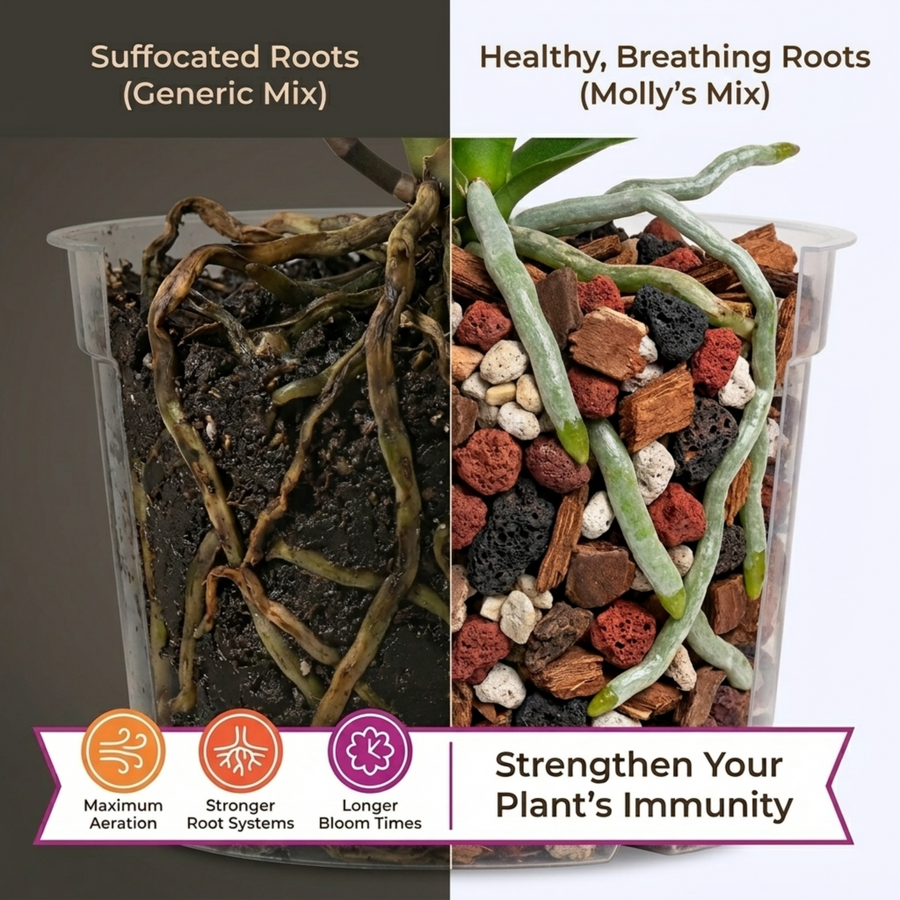
Orchids are beloved for their delicate beauty and variety, making them a popular choice among plant enthusiasts. However, they do require special care to thrive, particularly when it comes to the type of soil used. Choosing the right orchid potting mix is crucial for maintaining healthy orchids, as it supports their unique growth requirements. This article provides guidelines on selecting the best soil to ensure your orchids flourish.
Understanding Orchid Needs
Orchids are not typical houseplants. Native to tropical climates, many orchids are epiphytes, meaning they grow on other plants rather than in soil. Thus, their potting medium needs to mimic their natural environment.
Essential Characteristics of Orchid Soil
- Good Drainage: Orchids require a medium that allows for excellent drainage to prevent root rot.
- Air Circulation: The roots need adequate air flow; the soil should not compact tightly.
- Moisture Retention: While drainage is crucial, the medium should also retain some moisture to feed the roots.
Types of Orchid Potting Mixes
There are various orchid potting soil options available, each with its unique benefits. Here are the most common types:
Bark Mixes
Bark mixes are popular for their ability to provide excellent drainage and air circulation. They typically contain fir bark, which breaks down over time and should be replaced periodically.
Sphagnum Moss
Sphagnum moss is known for its moisture retention, making it ideal for orchids in drier climates. It provides a soft cushion for the roots and maintains moisture without becoming waterlogged.
Coconut Husk
Coconut husk is a sustainable alternative to bark. It offers great drainage and air circulation while holding moisture effectively.
Perlite and Vermiculite
These inorganic materials are often added to orchid pot mixture to enhance aeration and drainage. They are lightweight and do not decompose.
Choosing the Best Orchid Soil
When selecting an orchid soil, consider the specific needs of your orchid species and your growing environment. Here are some tips:
- Research Your Orchid: Understand the natural habitat of your orchid species to choose a suitable potting mix.
- Consider Environmental Factors: Take into account your local climate and indoor conditions, such as humidity and light, when selecting soil.
- Test and Observe: Trial different mixes and observe how your orchid responds, making adjustments as necessary.
Conclusion
Selecting the right soil is vital for the health and growth of your orchids. By understanding their natural preferences and experimenting with different orchid plant potting mix options, you can create an environment where they can thrive. Remember, nurturing orchids is a journey of learning and adapting to their needs.