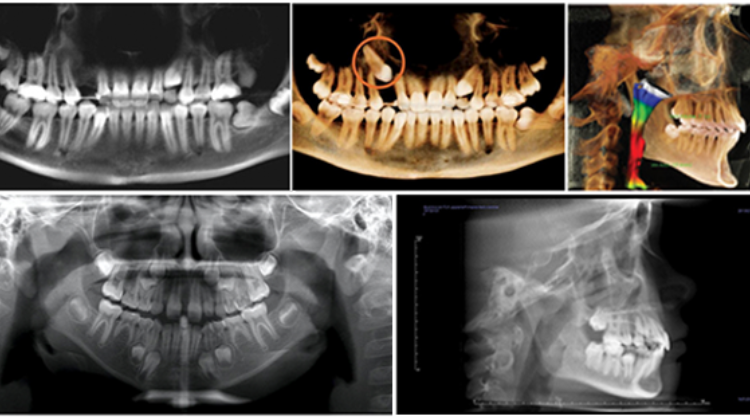
In the realm of dental diagnostics, technology has continually evolved to provide more precise and comprehensive insights into oral health. Among the latest advancements is 3D cone beam computed tomography (CBCT), a revolutionary imaging technology that offers significant benefits over traditional dental X-rays. This article delves into the advantages of 3D cone dental X-ray technology, highlighting its impact on diagnosis, treatment planning, and patient experience.
Enhanced Diagnostic Capabilities
3D cone beam technology provides a detailed view of the teeth, bone structure, soft tissues, and nerve pathways in a single scan. This comprehensive imaging is crucial for:
- Accurate diagnosis of complex cases where traditional 2D X-rays may fall short.
- Assessing the exact position of impacted teeth, particularly in orthodontics and oral surgery.
- Evaluating bone structure and density, aiding in the planning of dental implants.
To discover expert strategies here on how these capabilities enhance diagnostic accuracy and improve treatment outcomes.
Improved Treatment Planning
With the detailed imaging provided by 3D cone beam technology, dental professionals can devise more effective treatment plans. This technology allows for:
- Precise measurements and assessments, reducing the risk of complications during procedures.
- Better visualization of anatomical structures, enhancing the planning of surgical guides for implant placement.
- Comprehensive views that facilitate the design of orthodontic appliances and other prosthetic solutions.
Learn about our tailored solutions to optimize treatment planning for diverse dental needs.
Enhanced Patient Experience
The implementation of 3D cone beam technology not only benefits clinicians but also significantly improves the patient experience. Some of the key advantages include:
- Reduced exposure to radiation compared to traditional CT scans, enhancing patient safety.
- Faster scan times, leading to quicker appointments and less time spent in the dental chair.
- Improved patient understanding of their dental health, as dentists can provide a 3D visual representation of issues and planned treatments.
Patients can explore advanced guides and tips on how 3D imaging enhances their overall dental care experience.
Applications in Various Dental Specialties
3D cone beam technology is versatile and is utilized across multiple dental specialties:
Orthodontics
In orthodontics, precise imaging is critical for the accurate placement of braces and the monitoring of treatment progress. 3D imaging provides a clear view of the teeth and jaw alignment, facilitating optimal treatment outcomes. Find out more about this approach in enhancing orthodontic care.
Endodontics
For endodontists, 3D imaging aids in identifying complex root canal systems and detecting lesions with greater accuracy. It enhances the ability to plan and execute procedures with precision, reducing the risk of treatment failure.
Maxillofacial Surgery
In maxillofacial surgery, detailed imaging is indispensable for planning and executing surgical interventions. It allows surgeons to visualize the intricate structures of the face and head, ensuring that surgical procedures are conducted with the utmost accuracy.
By integrating 3D cone beam technology into dental practices, professionals can offer more precise, efficient, and patient-friendly services. The versatility and advanced capabilities of this technology are transforming dental diagnostics and treatment planning, setting a new standard in patient care. Explore advanced guides and tips to understand how this technology can be incorporated into various dental specialties.