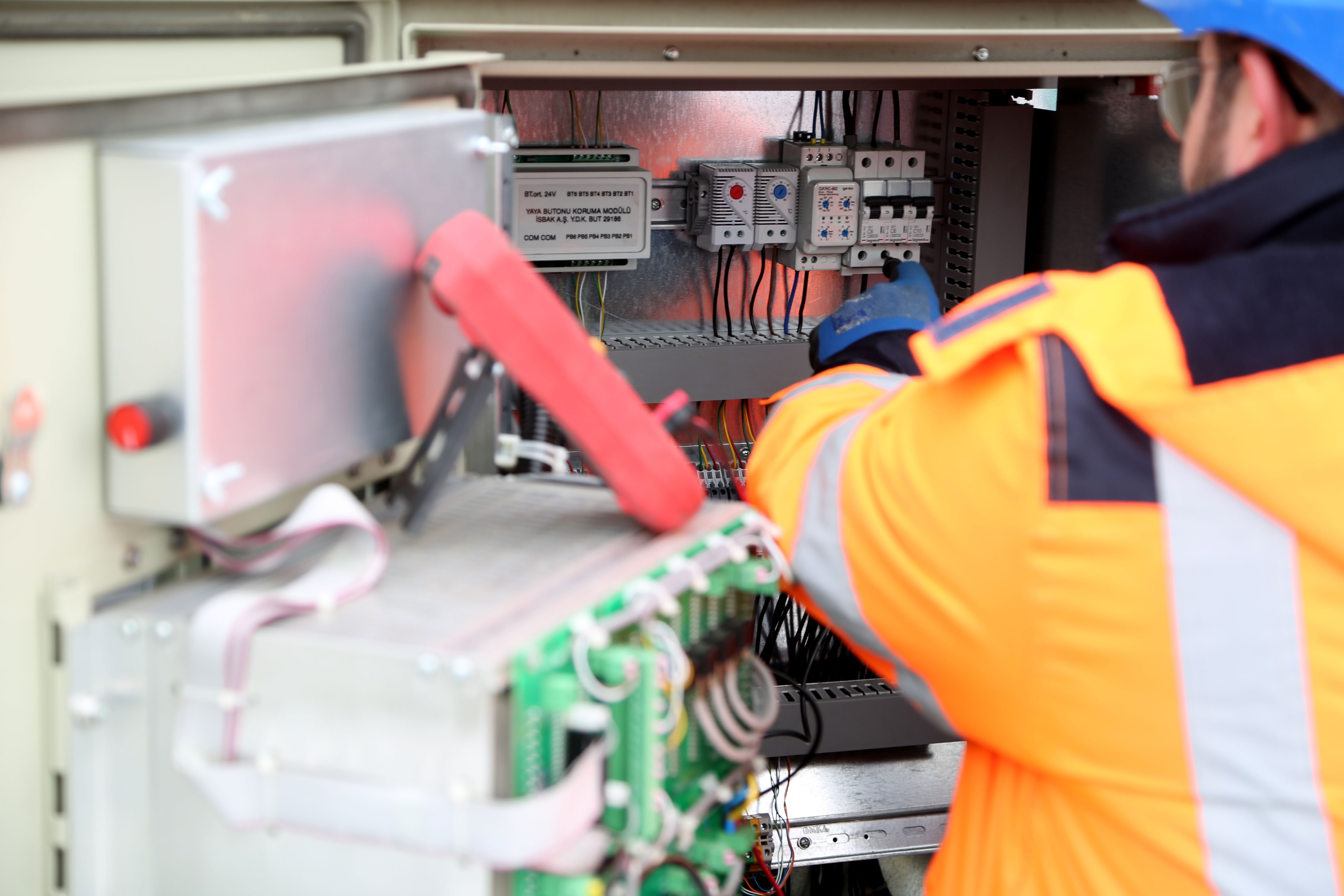
In the realm of electrical engineering, ensuring the reliability and safety of electrical systems is paramount. Among the various procedures employed to assess system integrity, 15kV electrical testing stands out as a critical process. It is particularly relevant in industrial and commercial settings where medium to high voltage systems are prevalent. This article aims to demystify the procedures and importance of 15kV electrical testing, shedding light on its role in maintaining operational efficiency and safety.
Understanding 15kV Electrical Testing
15kV electrical testing is a form of medium voltage electrical testing that focuses on evaluating the performance and safety of electrical equipment operating at or near 15,000 volts. It is instrumental in identifying potential faults and preventing failures that could lead to costly downtime or hazardous conditions.
Key Objectives of 15kV Electrical Testing
- Safety Assurance: Testing helps in identifying insulation deterioration and other issues that might lead to electrical hazards.
- Performance Optimization: Ensures that equipment operates at optimal efficiency, reducing energy losses and prolonging lifespan.
- Compliance: Meets industry standards and regulations, ensuring legal compliance and operational safety.
Testing Procedures
The procedures involved in 15kV electrical testing are designed to be comprehensive and thorough. These procedures include:
Insulation Resistance Testing
This test measures the resistance offered by insulating materials, providing an indication of the condition of the insulation. A high resistance value typically signifies good insulation, while a lower value may indicate deterioration or moisture ingress.
Dielectric Withstand Testing
Also known as a high potential or “hi-pot” test, this procedure involves applying a high voltage to the equipment to ensure it can withstand operational stresses. It”?s a crucial step in high voltage electrical testing.
Partial Discharge Testing
Partial discharge testing detects small electrical discharges within the insulation system, which could indicate potential points of failure. This test is essential for predictive maintenance, allowing for timely interventions before major failures occur.
Power Factor Testing
This test assesses the efficiency of the electrical system. A lower power factor indicates the presence of reactive power, which can be detrimental to the system’s efficiency. Corrective measures can be taken based on the results of this test.
Benefits of Regular 15kV Electrical Testing
- Enhanced Reliability: Regular testing ensures early detection of potential issues, preventing unexpected equipment failures.
- Cost Efficiency: Preventive maintenance reduces the need for expensive emergency repairs and extends the lifespan of the system components.
- Operational Safety: By identifying and mitigating potential hazards, testing upholds the safety of both personnel and equipment.
Conclusion
In conclusion, 15kV electrical testing is an indispensable part of maintaining medium to high voltage systems. By ensuring the reliability, efficiency, and safety of electrical equipment, it plays a significant role in industrial and commercial operations. Whether it is through NETA electrical testing or other specialized testing methods, staying ahead with regular assessments is crucial for operational success.