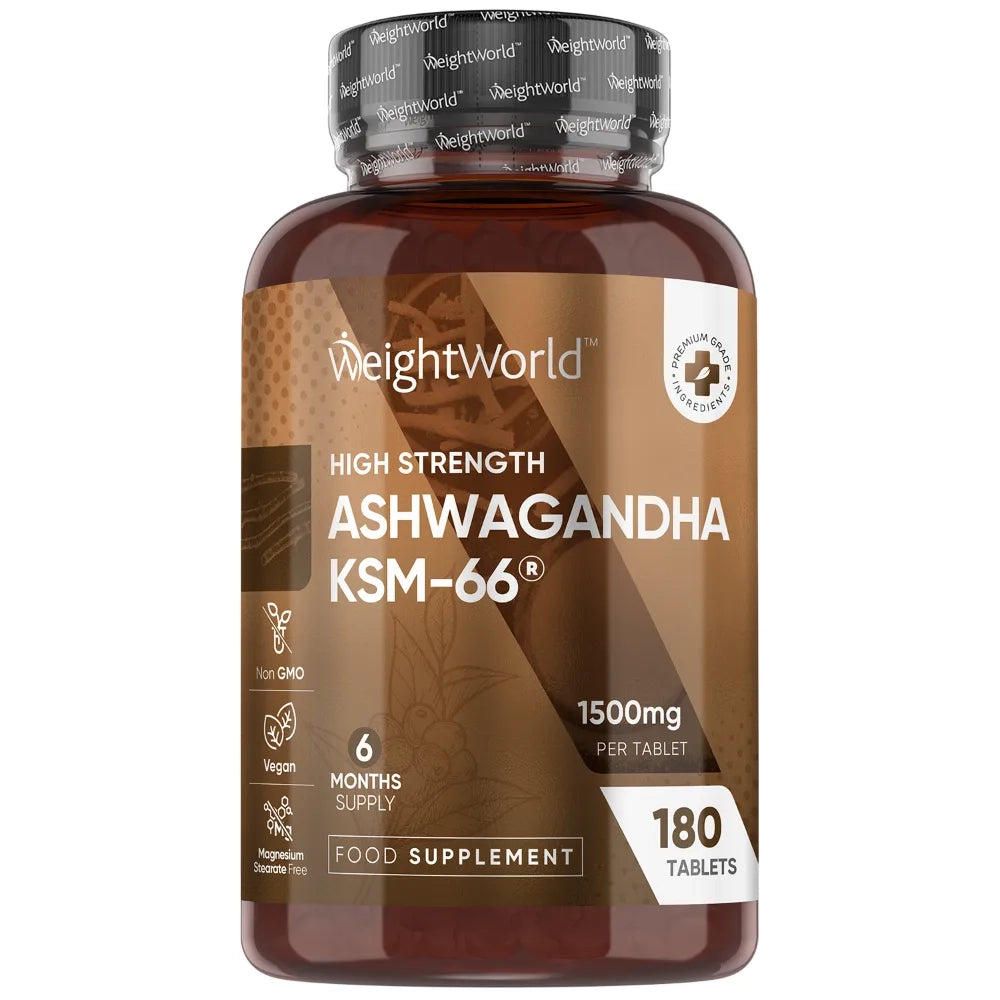
In recent years, Ashwagandha has moved from traditional Ayurvedic cabinets to mainstream wellness shelves across the United Kingdom. As scientific research deepens its reputation for stress reduction, cognitive support, and hormonal balance, consumers are seeking a supplement that delivers consistent potency, purity, and value. Selecting the right product involves more than just reading a label; it requires an understanding of extraction methods, dosage standards, and third-party testing. This guide outlines the key factors that define the best Ashwagandha supplement in the UK, offering evidence-based insights to help readers make an informed choice.
Understanding Ashwagandha: What Makes It Effective?
Ashwagandha (Withania somnifera) is an adaptogenic herb renowned for its ability to help the body cope with physical and mental stress. Its primary bioactive compounds, withanolides, sitoindosides, and alkaloids, work synergistically to modulate cortisol levels, support mitochondrial function, and promote neuroprotection.
Core Benefits Backed by Research
- Stress & Anxiety Reduction: Clinical trials have shown a 30-40% decrease in perceived stress scores after 8 weeks of standardized Ashwagandha supplementation.
- Improved Cognitive Function: Withanolides have been linked to enhanced memory recall and faster information processing.
- Hormonal Balance: The herb supports healthy testosterone levels in men and may aid thyroid function.
- Physical Performance: Studies indicate increased muscle strength and reduced exercise-induced muscle damage.
Key Quality Indicators for a Premium Ashwagandha Supplement
When evaluating products on the market, focus on the following criteria to ensure efficacy and safety.
- Standardized Extract: Look for a minimum of 5% withanolides (often expressed as KSM-66 or Sensoril). Standardization guarantees a consistent dose of active constituents.
- Extraction Method: Full-spectrum, root-based extracts retain a broader range of phytochemicals compared with leaf-only preparations.
- Third-Party Testing: Independent labs should verify purity, potency, and the absence of heavy metals, pesticides, and microbial contaminants.
- Dosage Form: Capsules or tablets that provide 300-600″?mg per serving align with most research protocols.
- Packaging Integrity: Dark, airtight containers protect the product from light and oxidation, preserving potency over time.
Why the Recommended UK Product Stands Out
The supplement highlighted on the WeightWorld UK collection meets each of the quality benchmarks listed above. Its formulation combines a high-potency KSM-66 root extract with a vegan capsule, making it suitable for a wide range of dietary preferences.
Evidence-Based Formulation
- Each tablet delivers 600″?mg of standardized Ashwagandha (5% withanolides), matching the dosage used in most clinical studies.
- The product is manufactured in a GMP-certified facility, ensuring consistent batch-to-batch quality.
- Full spectrum testing confirms the absence of heavy metals, gluten, and common allergens.
Consumer-Friendly Features
- Convenient 60-tablet bottle provides a two-month supply, reducing the need for frequent re-ordering.
- Transparent labeling includes exact withanolide content, serving size, and expiration date.
- Eco-conscious packaging aligns with sustainability goals prevalent among UK consumers.
How to Incorporate Ashwagandha Into a Daily Routine
Integrating Ashwagandha effectively requires attention to timing, dosage, and lifestyle factors. Below are practical steps for optimal results.
- Start with a Low Dose: Begin with one capsule (300″?mg) daily for the first week to assess tolerance.
- Gradually Increase: After the initial week, progress to the full recommended dose of two capsules (600″?mg) taken with breakfast.
- Pair with Balanced Nutrition: Combine the supplement with a diet rich in omega-3 fatty acids, magnesium, and B-vitamins to support overall adaptogenic function.
- Maintain Consistency: Daily intake at the same time enhances the herb’s ability to regulate circadian rhythms.
- Monitor Effects: Track mood, energy levels, and sleep quality over a 4-week period to gauge benefits.
Potential Interactions and Safety Considerations
While Ashwagandha is generally well-tolerated, certain populations should exercise caution.
- Pregnant or Breastfeeding Women: Current guidelines advise against supplementation without medical supervision.
- Thyroid Medication Users: Ashwagandha may influence thyroid hormone levels; consult a healthcare professional before combining.
- Sedatives: The herb’s calming effect could amplify the action of prescription sleep aids.
- Auto-immune Conditions: Individuals with lupus, rheumatoid arthritis, or multiple sclerosis should discuss usage with a clinician.
Where to Find Reliable Information and Guidance
For readers seeking deeper insight into Ashwagandha’s mechanisms and best-practice usage, a range of expert resources is available. Discover expert strategies here to stay updated on the latest scientific findings. Additionally, Learn about our tailored solutions that align with specific health goals, whether the focus is stress management or athletic performance.
Conclusion: Making an Informed Choice
Selecting the best Ashwagandha supplement in the UK involves scrutinizing standardization, extraction quality, and third-party verification. The product featured on the WeightWorld collection satisfies these criteria, offering a reliable, research-backed option for individuals aiming to boost wellbeing. By following a structured dosing schedule and considering personal health circumstances, users can harness the adaptogenic power of Ashwagandha to support mental clarity, hormonal balance, and overall resilience.
For further reading, Explore advanced guides and tips that delve into synergistic supplement stacks and lifestyle habits that amplify results. When the right product meets informed usage, the pathway to enhanced wellbeing becomes clear and achievable.