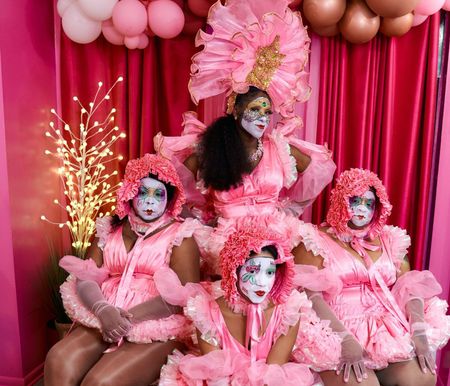
The vibrant and colorful culture of New Orleans is known for its rich traditions and unique expressions of cultural heritage. Among these, the Baby Doll Ladies stand out as an iconic and lively representation of the city’s festive spirit. The New Orleans Baby Doll Ladies are a captivating group known for their elaborate costumes, energetic performances, and the cultural legacy they uphold. Their presence at Mardi Gras and other cultural events adds a dimension of historical significance and artistic expression that resonates deeply with both locals and tourists. This article takes a closer look at their origins, significance, and the modern-day influence they wield.
Historical Origins and Significance
The Baby Doll tradition dates back to the early 20th century, emerging as a response to the limited participation of African American women in the Mardi Gras festivities. The first Baby Doll group was formed in 1912, as a way for women to assert their presence and celebrate their cultural identity in a society that often marginalized them.
Key aspects of their historical significance include:
- Empowerment: The Baby Doll groups were among the first female-led initiatives within the Mardi Gras tradition, promoting female empowerment and cultural expression.
- Cultural Heritage: They reflect the rich African American cultural heritage, bringing a unique perspective to New Orleans’ diverse cultural landscape.
- Social Commentary: The costumes and performances often contain elements of satire and social commentary, addressing issues of race, gender, and class.
The Vibrant Costumes and Performances
The Baby Doll Ladies are renowned for their extravagant costumes, which play a pivotal role in their performances. These costumes are not only colorful and eye-catching but also laden with cultural symbolism and historical references. Discover expert strategies here for understanding the intricate designs of these costumes.
Elements of Baby Doll Costumes
- Bright Colors: Utilized to attract attention and convey the joy and exuberance of the celebration.
- Elaborate Accessories: From parasols to feathered headpieces, these add layers of visual interest and cultural symbolism.
- Historical References: Many costumes incorporate elements that pay homage to the original Baby Doll groups of the early 1900s.
The performances themselves are characterized by high energy and intricate dance routines. These performances are not only entertaining but also serve as a conduit for cultural storytelling and preservation. Learn about our tailored solutions here to understand the impact of these performances on New Orleans culture.
Modern-Day Influence
Today, the Baby Doll Ladies continue to hold a prominent place in New Orleans cultural events, embodying a link between the past and present. Their influence extends beyond Mardi Gras, as they participate in various cultural celebrations and community events throughout the year. Explore advanced guides and tips here to see how their legacy is preserved and evolved in contemporary settings.
Community Engagement and Cultural Preservation
- Education and Outreach: Many Baby Doll groups engage in educational activities, teaching younger generations about the history and significance of their traditions.
- Cultural Exchange: They often collaborate with other cultural organizations, fostering a greater understanding and appreciation of diverse cultural expressions.
- Performance Arts: Their participation in performances and parades keeps the tradition alive and vibrant, ensuring its continuity for future generations.
The New Orleans Baby Doll Ladies are a testament to the city’s enduring spirit and diverse cultural tapestry. Their legacy is one of resilience, creativity, and community, making them an integral part of New Orleans’ cultural heritage. Find out more about this approach here, and discover how they continue to inspire and captivate audiences both locally and internationally.