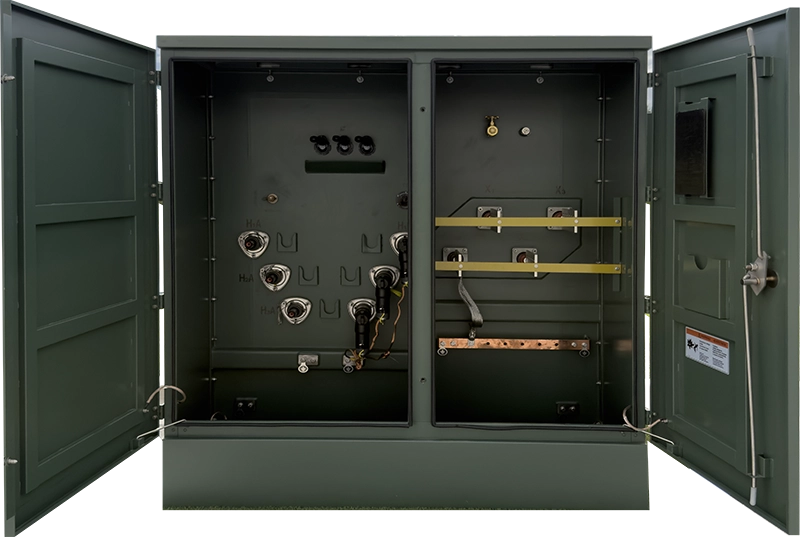
Choosing the right 5000″?kVA transformer is a critical decision for any facility that requires reliable, high-capacity power distribution. With a range of designs, cooling methods, and mounting options available, the selection process can quickly become complex. This article breaks down the key factors that influence 5000 kva transformer pricing and specifications, helping engineers, procurement specialists, and plant managers compare options efficiently and make an informed choice that aligns with operational demands and budget constraints.
Understanding Core Price Drivers
Transformer cost is not a single figure; it reflects a combination of material, design, and performance attributes. The following elements typically have the greatest impact on the final price tag:
- Core and winding materials: High-grade silicon steel and copper windings increase efficiency but add to material costs.
- Cooling method: Oil-immersed units generally cost more than dry-type transformers due to the additional oil handling system.
- Mounting configuration: Pad-mount designs require a sturdy foundation and protective enclosure, influencing both material and installation expenses.
- Regulatory compliance: Meeting IEC, ANSI, or local standards may require extra testing, certification, and documentation.
- Customization: Features such as tap changers, special bushings, or enhanced insulation raise the unit’s price.
Key Specification Categories to Compare
Electrical Characteristics
When evaluating a 5000 kva transformer specification sheet, focus on the following parameters:
- Rated voltage (primary/secondary): Ensure compatibility with the supply network and downstream loads.
- Impedance (%): Lower impedance improves voltage regulation but can increase short-circuit currents.
- Frequency: Standard 50″?Hz or 60″?Hz; mismatched frequency can affect core losses.
- Efficiency class: Higher efficiency reduces operating costs over the transformer’s lifespan.
- Temperature rise: Determines cooling requirements and influences overall reliability.
Mechanical and Physical Features
Physical dimensions and construction details affect both installation logistics and long-term durability:
- Weight: Pad-mount units can weigh several tonnes; structural support must be verified.
- Enclosure rating: IP20 for indoor use vs. IP55 or higher for outdoor exposure.
- Tap changer type: On-load tap changers (OLTC) enable voltage regulation without de-energizing the transformer.
- Noise level: Measured in dB(A); important for installations near residential or office areas.
Comparative Pricing Overview
While exact figures vary by region, supplier, and optional accessories, the following price ranges provide a practical benchmark for a standard 5000″?kVA pad-mount oil-immersed transformer:
- Base model (no tap changer, standard enclosure): $120,000″?-“?$150,000.
- Enhanced model (OLTC, higher IP rating, extended warranty): $160,000″?-“?$200,000.
- Custom engineered units (special winding, non-standard voltage): $210,000″?and up.
These numbers reflect the 5000 kva transformer price trends observed across major manufacturers. Shipping, installation, and commissioning services typically add 10-15″?% to the quoted amount.
Evaluating Total Cost of Ownership (TCO)
Initial purchase price is only one component of the overall investment. A comprehensive TCO analysis should incorporate:
- Energy losses: Core and copper losses translate directly into electricity costs; selecting a higher efficiency class can yield significant savings over a 20-year service life.
- Maintenance schedule: Oil-immersed transformers require periodic oil testing, filtration, and possibly re-conditioning.
- Downtime risk: Units with on-load tap changers reduce the need for manual voltage adjustments, minimizing interruption.
- End-of-life disposal: Consider recycling programs and environmental compliance costs.
Practical Selection Checklist
Use the following checklist during the procurement phase to ensure all critical aspects are addressed:
- Confirm primary and secondary voltage requirements.
- Determine the needed impedance level for voltage regulation.
- Assess site conditions (indoor/outdoor, space constraints, load profile).
- Choose a cooling method that matches ambient temperature and load cycles.
- Decide on tap changer necessity based on load variability.
- Verify compliance with applicable standards (IEC 60076, ANSI C57, etc.).
- Request detailed 5000 kva transformer specification sheets from shortlisted suppliers.
- Obtain total price quotes, including freight, installation, and warranty extensions.
- Perform a TCO calculation that incorporates projected loss-of-load energy and maintenance.
- Review supplier support capabilities for commissioning and after-sales service.
Conclusion
Comparing 5000″?kVA transformer prices and specifications requires a balanced view of upfront costs, performance attributes, and long-term operational expenses. By focusing on core material quality, cooling method, mounting configuration, and detailed electrical specifications, decision-makers can identify a solution that delivers reliable power distribution while staying within budget. Leveraging the provided pricing benchmarks and the comprehensive checklist will streamline the selection process, ensuring the chosen transformer meets both current demands and future scalability needs.