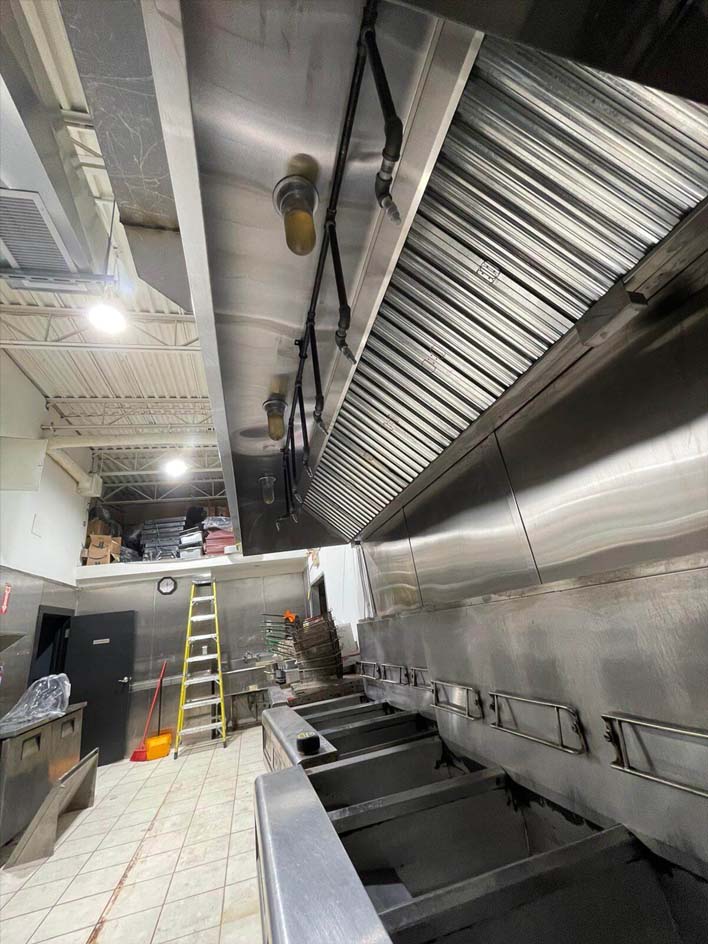
Efficient ventilation is a cornerstone of any successful commercial kitchen. Proper airflow not only safeguards food quality and staff health but also reduces energy consumption, minimizes fire risk, and extends the lifespan of equipment. By integrating scientifically designed exhaust systems, kitchen operators can achieve consistent temperature control, maintain compliance with health regulations, and create a more comfortable working environment. The following guide outlines key considerations, best-practice strategies, and actionable steps for selecting and maintaining expert commercial kitchen ventilation solutions.
Understanding the Core Components of Kitchen Ventilation
Commercial kitchen ventilation comprises several interrelated parts that work together to capture, filter, and expel contaminants. Recognizing each element helps in evaluating system performance and identifying improvement opportunities.
Hood and Capture Devices
- Designed to capture heat, smoke, grease, and steam directly at the source.
- Proper sizing ensures adequate capture velocity without excessive noise.
- Regular cleaning prevents grease buildup, a major fire hazard.
Filtration Systems
- Primary filters (mesh or baffle) remove large particles before air reaches downstream components.
- Secondary filters (electrostatic or carbon) target fine particulates and odors.
- Maintenance schedules should align with usage intensity to preserve efficiency.
Exhaust Fans and Ductwork
- Fans must be selected based on total static pressure and airflow requirements.
- Smooth, insulated ductwork reduces pressure loss and prevents condensation.
- Access panels facilitate routine inspection and cleaning.
Make-up Air Supply
- Balanced make-up air maintains indoor pressure, preventing back-drafts.
- Dedicated make-up air units can be integrated with HVAC for temperature control.
- Proper distribution avoids drafts and uneven cooling.
Key Design Principles for Maximizing Efficiency
Applying proven design principles ensures that ventilation systems operate at peak performance while minimizing operational costs.
- Airflow Matching: Align hood capture rates with fan capacity to avoid under- or over-ventilation.
- Energy Recovery: Incorporate heat recovery ventilators (HRVs) or energy recovery ventilators (ERVs) to reclaim waste heat.
- Variable Speed Controls: Use demand-controlled ventilation to adjust fan speed based on real-time cooking activity.
- Noise Management: Select low-sone fans and install acoustic dampening within ducts to improve staff comfort.
- Compliance Alignment: Design systems to meet local fire codes, health department standards, and ASHRAE guidelines.
Maintenance Best Practices
Even the most sophisticated ventilation system loses efficiency without consistent upkeep. Establishing a proactive maintenance program can prevent costly downtime.
Routine Cleaning Schedule
- Weekly visual inspections of hoods and filters for grease accumulation.
- Monthly professional cleaning of exhaust ducts, especially in high-volume kitchens.
- Quarterly inspection of fan bearings and motor performance.
Performance Monitoring
- Install airflow meters or pressure sensors to track real-time system efficiency.
- Use data logging to identify trends and schedule preventive interventions.
- Integrate alerts for abnormal pressure drops or motor overloads.
Documentation and Training
- Maintain detailed service logs, including dates, tasks performed, and observations.
- Train kitchen staff on proper use of ventilation controls and reporting of issues.
- Review maintenance procedures annually to incorporate new technologies or regulatory updates.
Choosing the Right Solution for Your Facility
Selecting a ventilation system should be driven by the specific needs of the kitchen rather than a one-size-fits-all approach. Consider the following factors during the evaluation process.
- Kitchen Layout: Open-concept versus segmented spaces affect hood placement and duct routing.
- Cooking Volume: High-output operations require larger capture hoods and more robust fans.
- Menu Type: Grilling and frying generate more grease and heat compared to baking or steaming.
- Energy Goals: Facilities targeting LEED certification may prioritize heat recovery and low-energy fans.
- Regulatory Environment: Local fire codes may dictate minimum exhaust rates and fire suppression integration.
For a deeper dive into evaluating system specifications, Read more about this topic.
Future Trends in Commercial Kitchen Ventilation
Technological advancements are reshaping how kitchens manage air quality and energy consumption.
- Smart Controls: IoT-enabled fans adjust speed based on sensor data, optimizing airflow and reducing waste.
- Advanced Filtration: Nanofiber filters capture ultra-fine particles and odors with minimal pressure loss.
- Sustainable Materials: Recyclable ductwork and low-VOC coatings contribute to greener operations.
- Integrated Fire Suppression: Automated systems combine ventilation with rapid fire-extinguishing mechanisms.
To explore how emerging technologies can be applied in a commercial setting, Learn more in this detailed guide.
Conclusion
Implementing expert commercial kitchen ventilation solutions is essential for operational efficiency, safety, and regulatory compliance. By understanding system components, applying sound design principles, maintaining rigorous cleaning schedules, and staying informed about industry innovations, kitchen managers can significantly enhance performance while controlling costs. Continuous evaluation and adaptation ensure that ventilation remains a strategic asset rather than a hidden expense.
For additional resources and comprehensive information on ventilation best practices, Find additional information here.