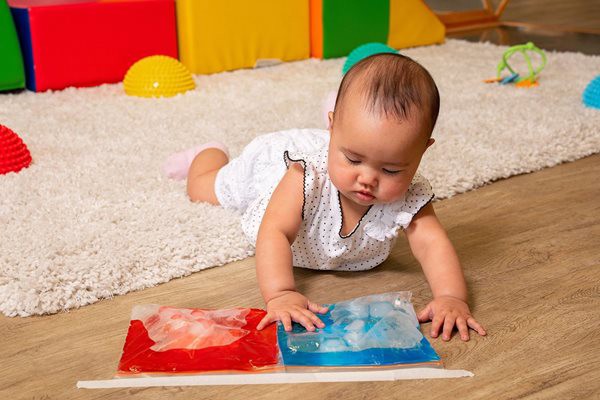
Sensory play is a crucial aspect of early childhood development, providing a wealth of benefits that contribute to a child’s growth. Engaging infants in activities that stimulate their senses can enhance cognitive, physical, and emotional development. This type of play encourages babies to explore their environment, fostering curiosity and creativity. In today’s fast-paced world, finding effective activities that cater to the developmental needs of infants is essential. Sensory play offers a fun and interactive way to achieve this, laying a strong foundation for lifelong learning.
Understanding Sensory Play
Sensory play involves activities that stimulate the senses: touch, sight, sound, taste, and smell. This type of play is essential for brain development, helping to build nerve connections in the brain’s pathways. By engaging multiple senses, babies can develop their fine and gross motor skills, improve their problem-solving abilities, and enhance their social interactions.
Benefits of Sensory Play
- Cognitive Development: Sensory activities encourage infants to explore and discover, promoting critical thinking and problem-solving skills.
- Language Skills: Interacting with different textures and objects expands a baby’s vocabulary as caregivers describe the experience.
- Physical Development: Through sensory play, babies develop both fine and gross motor skills as they manipulate various objects.
- Social and Emotional Growth: Participating in sensory activities allows infants to engage with others, fostering social skills and emotional regulation.
Implementing Sensory Play at Home
Creating a sensory-rich environment at home doesn’t require expensive materials. Everyday items can be transformed into tools for sensory exploration. Here are some ideas to get started:
Tactile Play
- Textured Fabrics: Use different fabrics like silk, burlap, and cotton to stimulate the sense of touch.
- DIY Sensory Bins: Fill containers with rice, pasta, or sand for babies to explore. Ensure supervision to prevent choking hazards.
Visual and Auditory Stimulation
- Colorful Mobiles: Hang colorful mobiles within the baby’s line of sight to stimulate visual tracking.
- Musical Instruments: Introduce simple instruments like rattles and bells to encourage auditory exploration.
For more creative ideas on incorporating sensory play into daily routines, explore advanced guides and tips on innovative strategies that align with developmental milestones.
Incorporating Professional Guidance
While parents and caregivers can effectively implement sensory play, consulting with early childhood development experts can provide additional insights. Professionals can suggest tailored solutions that address specific developmental needs. Learn about tailored solutions that are designed to maximize the developmental benefits of sensory play.
Furthermore, organizations dedicated to early childhood development offer valuable resources and workshops. These programs can guide caregivers in selecting age-appropriate activities and understanding the nuances of sensory play. Find out more about this approach to ensure that sensory play is effectively integrated into daily routines.
Conclusion
Sensory play is a powerful tool that supports various aspects of a baby’s development. By engaging in sensory-rich activities, infants can enhance their cognitive, motor, and social skills, laying a solid foundation for future learning. Incorporating sensory play into daily routines is not only beneficial for development but also provides a fun and interactive experience for both the baby and the caregiver. Discover expert strategies here to further enrich the sensory experiences of infants and support their growth journey effectively.