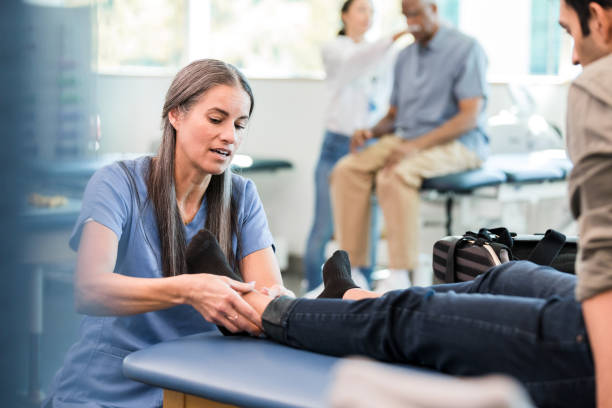
Recovering from an ankle injury can be a daunting process, but with the right strategies, effective ankle rehab is achievable. Whether you’re an athlete returning to sport or someone recovering from a sprain, understanding the best practices for rehabilitation is crucial. This article presents valuable tips to ensure a smooth recovery journey. From initial care to gradual strengthening, these guidelines are designed to help anyone navigate the road to recovery with confidence.
Initial Care and Rest
The first step in effective ankle rehab is proper initial care. This phase is crucial for minimizing swelling and preventing further injury.
- Rest: Give the injured ankle adequate time to heal by avoiding activities that put stress on it.
- Ice: Apply ice packs for 15-20 minutes every 2-3 hours to reduce swelling and pain.
- Compression: Use an elastic bandage to provide support and reduce swelling.
- Elevation: Keep the ankle elevated above heart level whenever possible to decrease swelling.
Gradual Reintroduction of Movement
Once the initial swelling and pain have reduced, the next step involves gradually reintroducing movement to the ankle. This helps prevent stiffness and maintains flexibility.
- Range of Motion Exercises: Gentle exercises, such as ankle circles and alphabet writing with the toes, can help maintain flexibility.
- Weight Bearing: Gradually increase weight-bearing activities as pain allows, starting with partial weight bearing and progressing to full.
Strengthening and Balance Training
Strengthening the muscles around the ankle is essential for supporting the joint and preventing future injuries. Incorporating balance training further enhances stability.
Strengthening Exercises
- Resistance Band Work: Use resistance bands for exercises like ankle dorsiflexion and plantarflexion.
- Calf Raises: Perform calf raises on both legs, progressing to single-leg calf raises as strength improves.
Balance Training
- Single-Leg Stands: Practice standing on one leg to improve balance and proprioception.
- Balance Board: Utilize a balance board to challenge stability and coordination.
Incorporating Cardiovascular Activity
Cardiovascular fitness should not be neglected in the rehabilitation process. Engaging in low-impact activities helps maintain overall fitness without straining the ankle.
- Swimming: A great low-impact option that allows for full-body exercise without putting stress on the ankle.
- Cycling: Stationary cycling can be introduced as pain permits, offering cardiovascular benefits while engaging lower limb muscles.
Monitoring Progress and Professional Guidance
Regularly monitoring the progress of the rehabilitation process is vital. This helps in making necessary adjustments and ensuring optimal recovery.
- Track Symptoms: Keep a record of pain levels, swelling, and any difficulties with movement.
- Consult Professionals: Engaging with a physiotherapist or a specialist in ankle rehab can provide personalized guidance and adjustments to the rehab plan.
By adhering to these tips and maintaining a consistent approach, effective ankle rehabilitation is within reach. Remember, patience and persistence are key, and seeking professional advice can greatly enhance the recovery process.