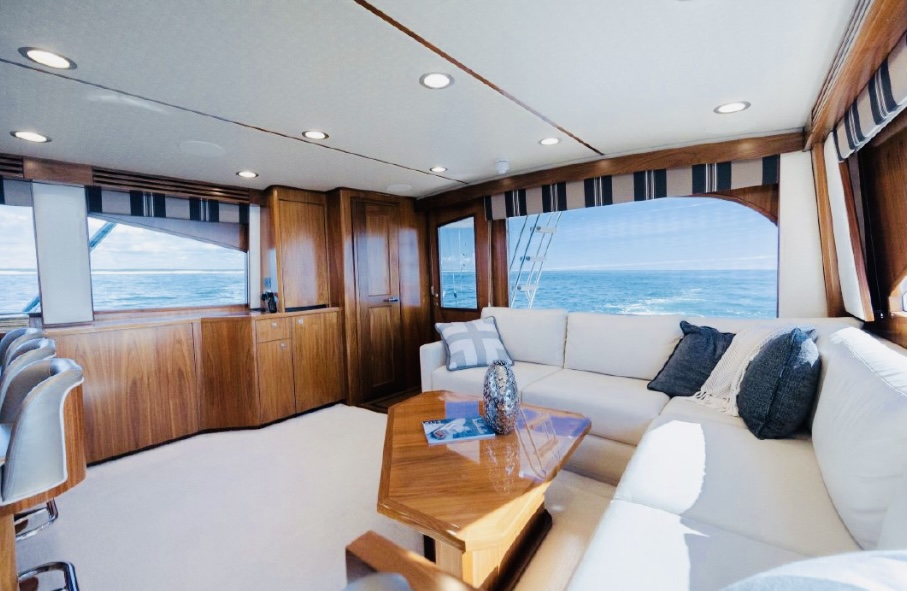
Ensuring optimal visibility and safety on a vessel is paramount, whether navigating the wild seas or anchored in a tranquil bay. One of the essential components contributing to this safety is the lighting system onboard. Specifically, marine utility lights are a critical investment for any vessel owner. They not only illuminate the ship’s interior and exterior but also play a crucial role in enhancing operational efficiency and safety. Choosing the right lighting, tailored to specific maritime needs, is therefore a decision that requires careful consideration.
Understanding Marine Utility Lights
Marine utility lights are designed to withstand the harsh conditions at sea, including exposure to saltwater, humidity, and temperature variations. These lights cater to various needs, from illuminating decks to ensuring the engine room is well-lit. Here are some specific types of marine utility lights that should be on every vessel’s checklist:
- Deck Lights: Essential for providing ample light on the deck, ensuring safe navigation and operation during nighttime or low-light conditions.
- Floodlights: Ideal for broad area illumination, often used for docking, fishing, or security purposes.
- Cockpit Lights: Specifically designed to illuminate the cockpit area, providing visibility for control and operation.
- Engine Room Lights: Critical for ensuring visibility within the engine room, aiding in maintenance and safety checks.
Choosing the Right Marine Utility Lights
When selecting marine utility lights, several factors should be considered to ensure the best fit for the vessel’s needs. Here are some key considerations:
- Durability: Lights should be corrosion-resistant and able to withstand the marine environment.
- Energy Efficiency: Opt for LED marine engine room lights that offer high energy efficiency and long-lasting performance.
- Brightness: The level of brightness required varies according to the area and purpose. For instance, yacht engine room lights need sufficient brightness for detailed work.
- Installation: Choose lights that are easy to install and require minimal maintenance.
Benefits of Quality Marine Utility Lights
Investing in high-quality marine utility lights offers numerous advantages, ensuring both safety and operational efficiency at sea. Some notable benefits include:
- Enhanced Safety: Proper lighting reduces the risk of accidents and facilitates safe navigation.
- Operational Efficiency: Well-lit work areas, such as the engine room, improve task efficiency and accuracy. Explore more about marine engine room lights for efficient operations.
- Cost Savings: Energy-efficient lights, like boat engine room lights, reduce power consumption and extend battery life.
- Longevity: Durable lights withstand the marine environment, reducing the need for frequent replacements.
Innovations in Marine Lighting Technology
Advancements in lighting technology have significantly improved the effectiveness and efficiency of marine utility lights. Modern lights offer features like:
- Smart Controls: Technology that allows remote control and automation of lighting systems for convenience and energy savings.
- Customizable Color Temperature: Adjust the light’s color temperature to suit different environments and preferences.
- Vibration Resistance: Improved designs that withstand the vibrations from the vessel’s movement, maintaining consistent performance.
With these innovations, selecting marine utility lights becomes not just a choice for safety and efficiency but also an opportunity to integrate modern technology into maritime operations.
Conclusion
Choosing the best marine utility lights for your vessel is a crucial step in ensuring both safety and efficiency during maritime operations. By focusing on durability, energy efficiency, brightness, and installation ease, vessel owners can select lights that provide optimal performance. The continuous advancements in lighting technology also offer exciting opportunities for enhancing the safety and functionality of marine vessels. When well-chosen, marine utility lights are not just a necessity but an integral part of successful maritime ventures.