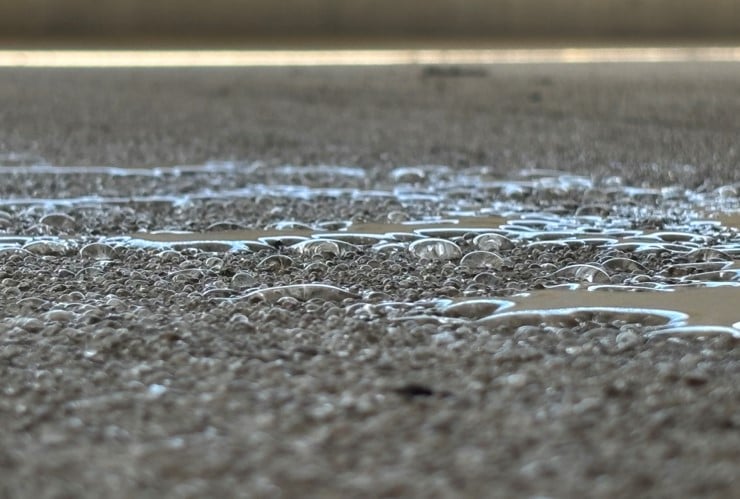
Selecting the right water-based penetrating sealer is crucial for ensuring the durability and longevity of surfaces such as concrete, stone, and brick. These sealers penetrate below the surface to form a long-lasting protective barrier that helps prevent water damage, staining, and other environmental impacts. With numerous options available, understanding the specifics of each sealer type can help in making an informed decision that suits particular needs and surfaces.
Understanding Water-Based Penetrating Sealers
Water-based penetrating sealers are designed to offer deep protection by sinking into the substrate rather than forming a surface film. This characteristic makes them especially effective in providing breathable protection that allows moisture within the material to escape while preventing external water from penetrating.
Key Benefits
- Environmentally Friendly: As they contain fewer volatile organic compounds (VOCs), water-based sealers are a more eco-conscious choice.
- Long-Lasting Protection: By penetrating deeply, these sealers offer durable protection that can withstand harsh weather and heavy use.
- Non-Yellowing Formula: Unlike some solvent-based options, water-based sealers do not yellow over time, maintaining the natural look of the material.
Evaluating Your Needs
Before choosing a water based penetrating sealer, it’s important to evaluate the specific requirements of the project and the characteristics of the surface to be treated.
Surface Type
- Concrete: For concrete surfaces, look for a sealer that enhances durability and stain resistance while allowing the substrate to breathe.
- Natural Stone: A sealer that maintains the stone’s natural appearance without altering its color or texture is ideal.
- Brick: Opt for a sealer that ensures deep penetration to protect against efflorescence and water damage.
Intended Use
- Indoor vs. Outdoor: Indoor applications may prioritize aesthetics and low odor, while outdoor applications require UV resistance and weather durability.
- Residential vs. Commercial: Commercial spaces might need a more robust sealer due to higher traffic and usage.
Application Tips
Correct application of a water-based penetrating sealer is essential for achieving the best results. Here are some essential tips to guide the process:
- Surface Preparation: Ensure the surface is clean, dry, and free of any previous coatings or contaminants to maximize sealer penetration.
- Application Method: Use a brush, roller, or sprayer for even application. Consider a second coat for highly porous surfaces.
- Drying Time: Allow adequate time for the sealer to cure and adhere properly, usually a few hours to a day depending on environmental conditions.
Maintenance and Longevity
Regular maintenance can extend the life of a water-based penetrating sealer. By adopting simple cleaning and re-application practices, the protective benefits can be sustained effectively.
- Regular Cleaning: Use gentle cleaners and avoid harsh chemicals that can strip the sealer.
- Periodic Reapplication: Depending on wear and exposure, consider reapplying the sealer every few years to maintain optimal performance.
Conclusion
Choosing the right water-based penetrating sealer involves understanding the specific needs of the surface and the environment in which it is located. By considering factors such as surface type, intended use, and application methods, the ideal sealer can be selected to provide long-lasting protection. Careful maintenance further ensures that the benefits of a quality sealer continue to protect surfaces for many years. For more information on selecting the right product, consider exploring comprehensive resources and guides on water based penetrating sealer options.